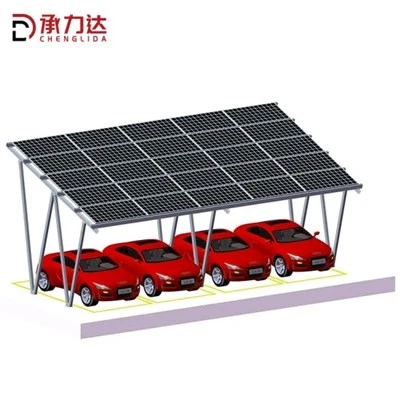
A carport solar mounting system transforms parking spaces into clean energy generators by installing solar panels on elevated structures built over vehicles. Unlike rooftop or ground-mounted systems, carport systems serve dual purposes: shading and protecting cars while producing electricity. Here's how they work:
1. Structural Framework
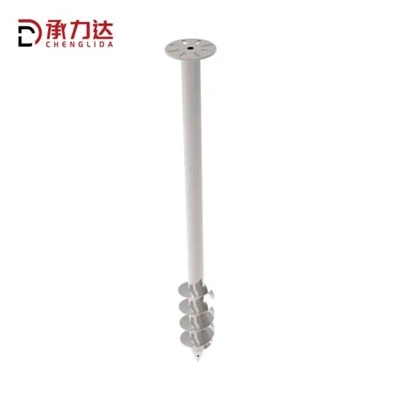
The system consists of a robust steel or aluminum framework anchored into concrete foundations. Key components include:
- Support columns: Typically 2.5–4 meters tall to allow vehicle clearance.
- Beams and rails: Form the skeleton that holds solar panels at an optimal tilt angle (usually 5°–30°).
- Mounting clamps: Secure panels to rails while allowing for thermal expansion.
The structure is engineered to handle not only the weight of panels but also wind uplift, snow loads, and seismic forces, ensuring long-term stability.
2. Panel Orientation & Tilt
Panels are mounted at an angle that maximizes solar exposure based on the site's latitude. In many cases, carports use south-facing (in the Northern Hemisphere) or dual-tilt ("V" or "butterfly") configurations to increase energy yield per footprint. Some advanced systems even integrate single-axis trackers to follow the sun.
3. Electrical Integration
Wiring runs through conduits within the support columns down to inverters and grid connections at ground level. The system connects to the building's electrical panel or the utility grid, enabling:
- On-site consumption (e.g., powering EV chargers, lighting, or facilities),
- Net metering (selling excess power back to the grid),
- Or battery storage integration for energy resilience.
4. Added Functional Benefits
- Vehicle protection: Shields cars from sun, rain, hail, and snow-reducing interior heat and paint fading.
- EV charging readiness: Many carports are pre-wired for Level 2 or DC fast chargers, supporting sustainable transportation.
- Space efficiency: Utilizes otherwise unused parking areas without consuming additional land.
5. Design Considerations
- Height and clearance: Must comply with local regulations (typically ≥2.4m for passenger vehicles, higher for trucks).
- Drainage: Roof design includes gutters or sloped panels to channel rainwater away.
- Durability: Materials are hot-dip galvanized or powder-coated to resist corrosion, especially in coastal or snowy regions.
A carport solar mounting system is more than just a power generator-it's a smart infrastructure investment that combines renewable energy production with practical urban functionality. While initial costs are higher than rooftop systems due to structural requirements, the long-term benefits in energy savings, asset protection, and sustainability make it an increasingly popular choice for businesses, schools, and municipalities.